
In May 2025, the Institute for Teaching, Innovation, and Inclusive Pedagogy (TIIP) hosted its first ever three-day Course Design Institute on the College Avenue campus. This immersive experience brought together instructors from across Rutgers–New Brunswick who were preparing to design or redesign courses for the summer and upcoming academic year.
The institute offered a dedicated space for instructors to step back from their daily routines and think deeply about their teaching. Each day combined practical strategies with thoughtful reflection. On Day one, participants explored foundational frameworks like backward design and transparent assignment design, and they also got to consider how to build learning environments that support student success.
“It was truly inspiring and uplifting to see the energy and passion in everyone trying to design a course that would create meaningful learning experiences for their students,” shared Dr. Jamie Kim, Assistant Director of Teaching Development with TIIP. That sense of purpose was evident in both the individual work and the shared moments that defined the institute.
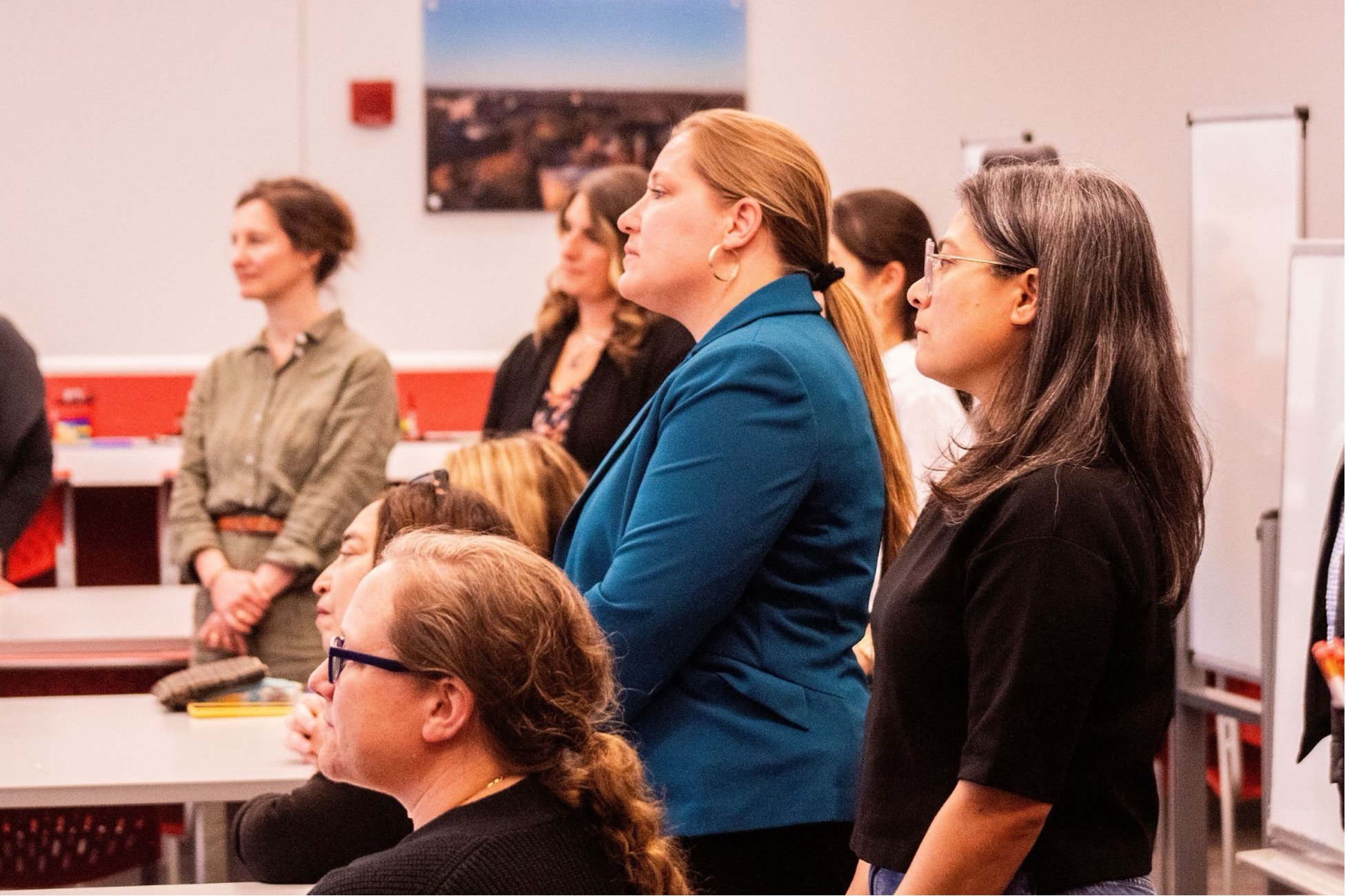
One recurring theme throughout the institute was the role of generative AI in shaping higher education. Instructors were given the choice to explore tools like Microsoft Copilot and Google Gemini (available university-wide) and were encouraged to think creatively about the relationships between generative AI, assessment design, and academic integrity. “Generative AI came up periodically during small group discussions,” noted Dr. Tracie Addy, TIIP’s Founding Director.
“One example is when participants brainstormed how to redesign their assignments amidst increased accessibility and sophistication of generative artificial intelligence. Additionally, as part of their final portfolio all participants were asked to include their specific GenAI course guidelines which invited some discussion about what they might include.”
Some of the facilitators emphasized the importance of transparency when communicating GenAI expectations to students. “We talked about developing an appropriate syllabus and assignment policy for our classes,” said Dr. Crystal Quillen, Assistant Director of Teaching and Learning Scholarship. “A lot of times, our policies are unclear and could be misinterpreted by students. We talked about the best ways to communicate with students on how we expect them to use and avoid GenAI on certain assignments.”
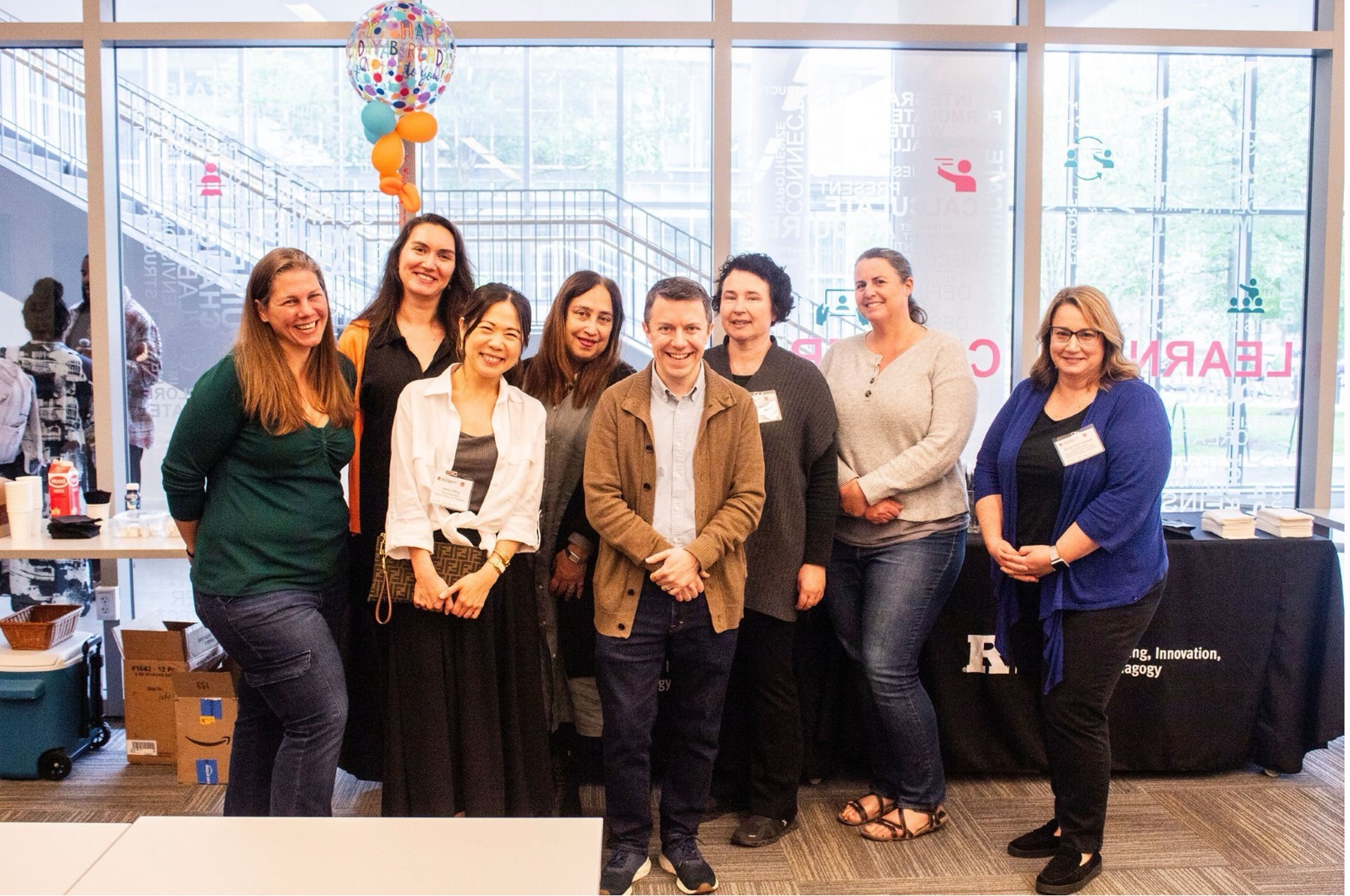 Day two featured a series of concurrent choice sessions, which gave participants the opportunity to focus on topics that were most relevant to their teaching goals. The sessions covered a wide range of ideas including career readiness, Scholarship of Teaching and Learning (SoTL), engaging students in learning through technology, and more. There were also small group collaborations that provided time for instructors to workshop ideas and receive feedback from their peers and facilitators.
“What stood out to me the most was how quickly our group developed a sense of camaraderie and mutual support,” said Dr. David Goldman, facilitator and Director of Teaching, Learning, and Assessment for the Office of Undergraduate Education. “People were talking and sharing about their course design projects (and joking around!) almost immediately. Teaching can be a solitary pursuit; I think people appreciated being able to connect with colleagues who were wrestling with similar challenges.”
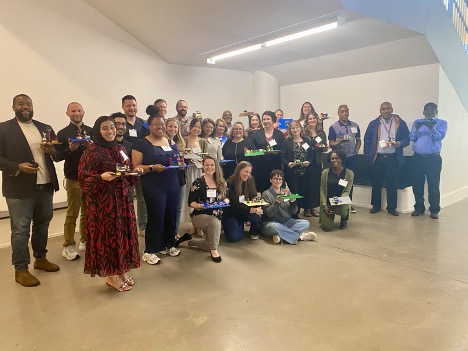 The institute concluded on Day three with a celebration that marked both TIIP’s one-year anniversary and the successful submission of participant portfolios. Participants left with tangible course design plans, new ideas for integrating generative artificial intelligence responsibly, and a deeper sense of connection to a community of practice. As the teaching landscape continues to evolve, we look forward to supporting instructors through future programming that encourages innovation and student-centered learning.