2025 Course Design Institute
Designing Significant Learning Experiences in an Age of Rapid Generative AI Evolution
-
Dates: May 19-21, 2025
Location: College Avenue Campus
Event Description:
This three-day Institute is for instructors who are designing or redesigning courses for the summer or the 2025 – 2026 academic year. Instructors can focus on any aspects of their courses to work on during the institute.
Theme: Designing Significant Learning Experiences in an Age of Rapid Generative AI Evolution
Highlights:
- Learn and apply frameworks for designing significant learning experiences
- Select from choice sessions focused on various course design topics
- Engage with a community of colleagues in smaller groups and obtain feedback in an enriching environment from experts in pedagogy
- Enjoy lunch, refreshments, and collegial interactions each day
-
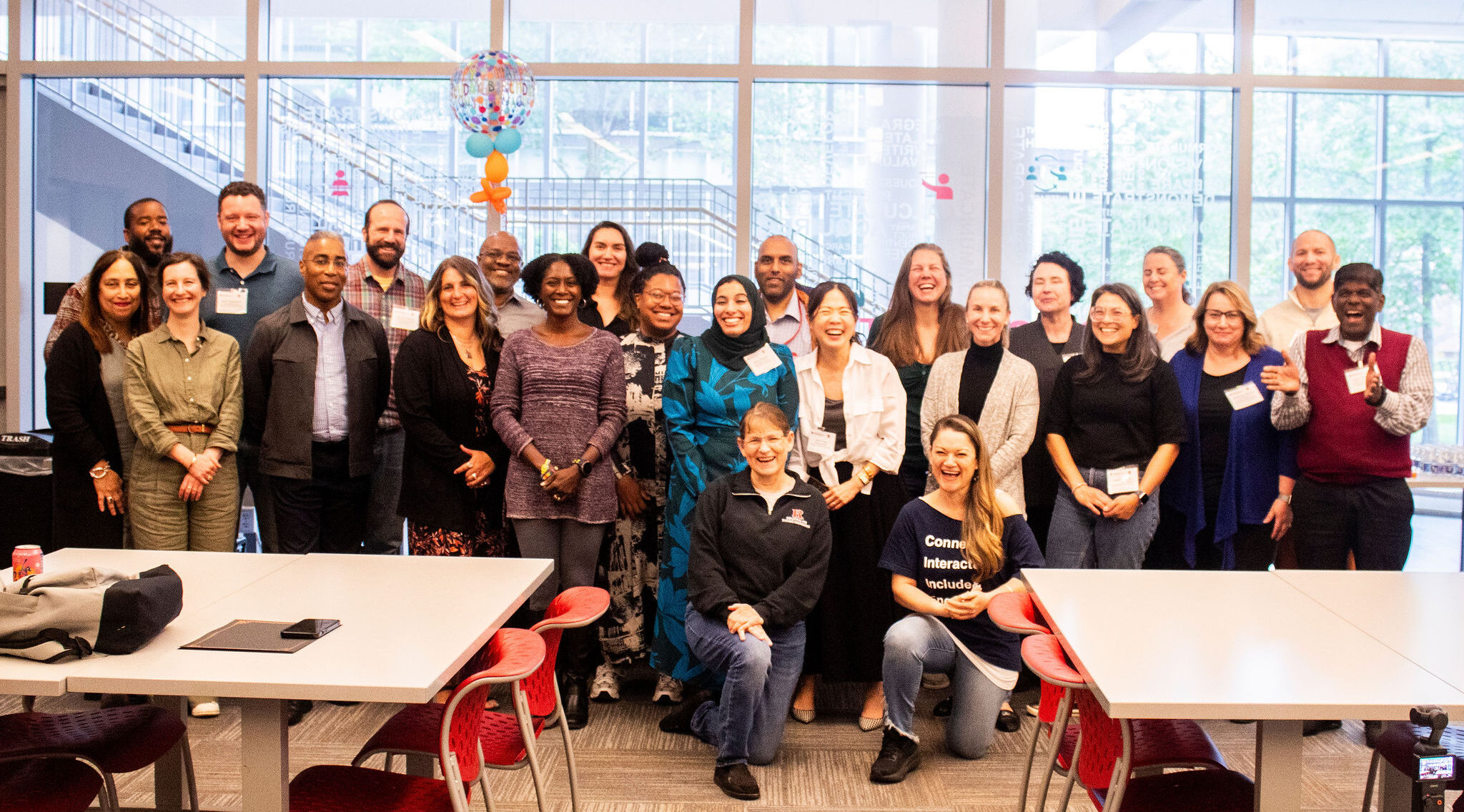
May 2025 Course Design Institute participants 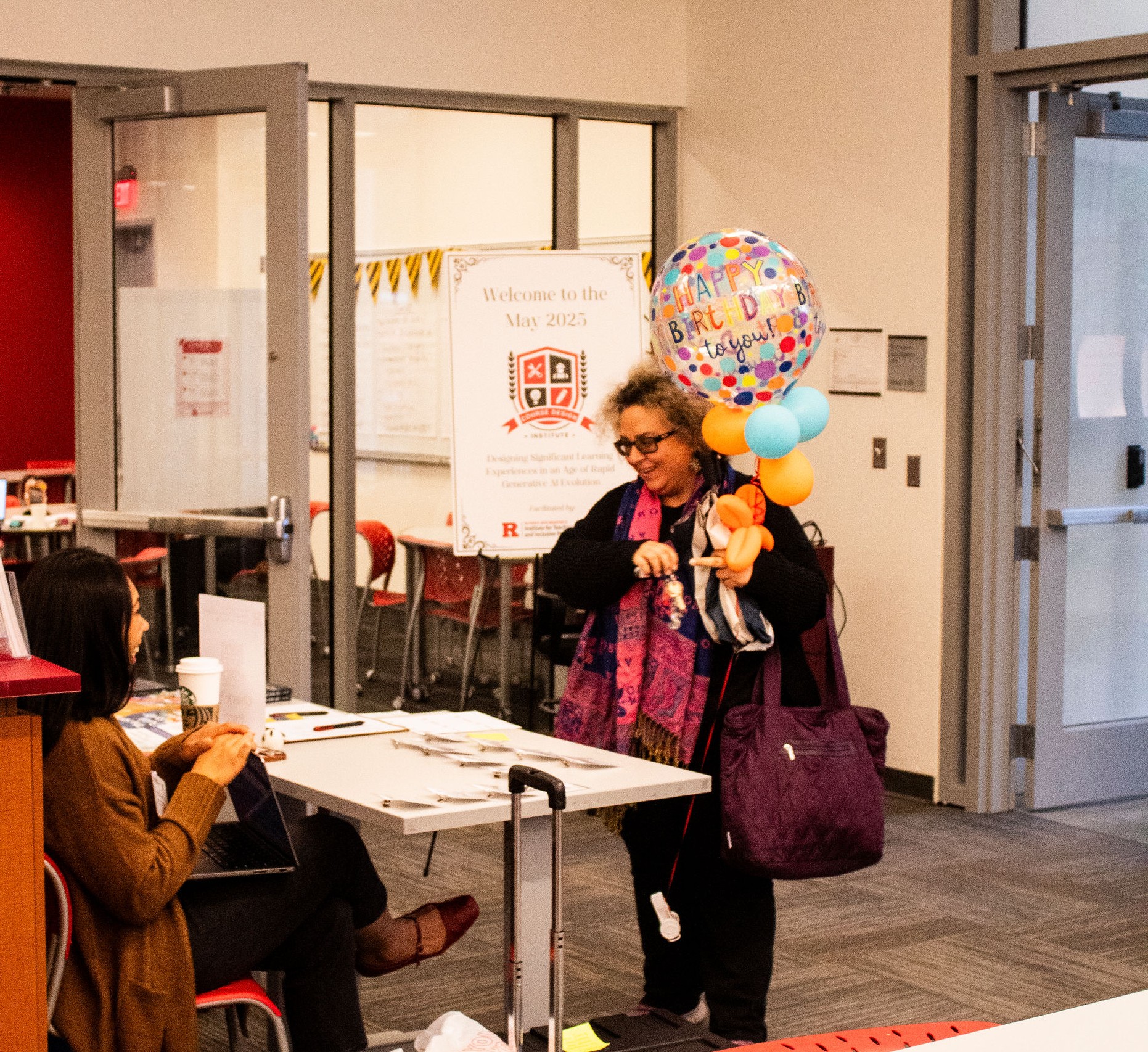
Participants arrive at the May 2025 Course Design Institute. 
May 2025 Course Design Institute participants in conversation and building houses with LEGOs symbolizing their course design process. 
May 2025 Course Design Institute participants and a facilitator in a huddle discussing responses on sticky notes. 
Dr. Tracie Marcella Addy, Founding Director of TIIP, facilitates a session at the May 2025 Course Design Institute. 
May 2025 Course Design Institute participants. 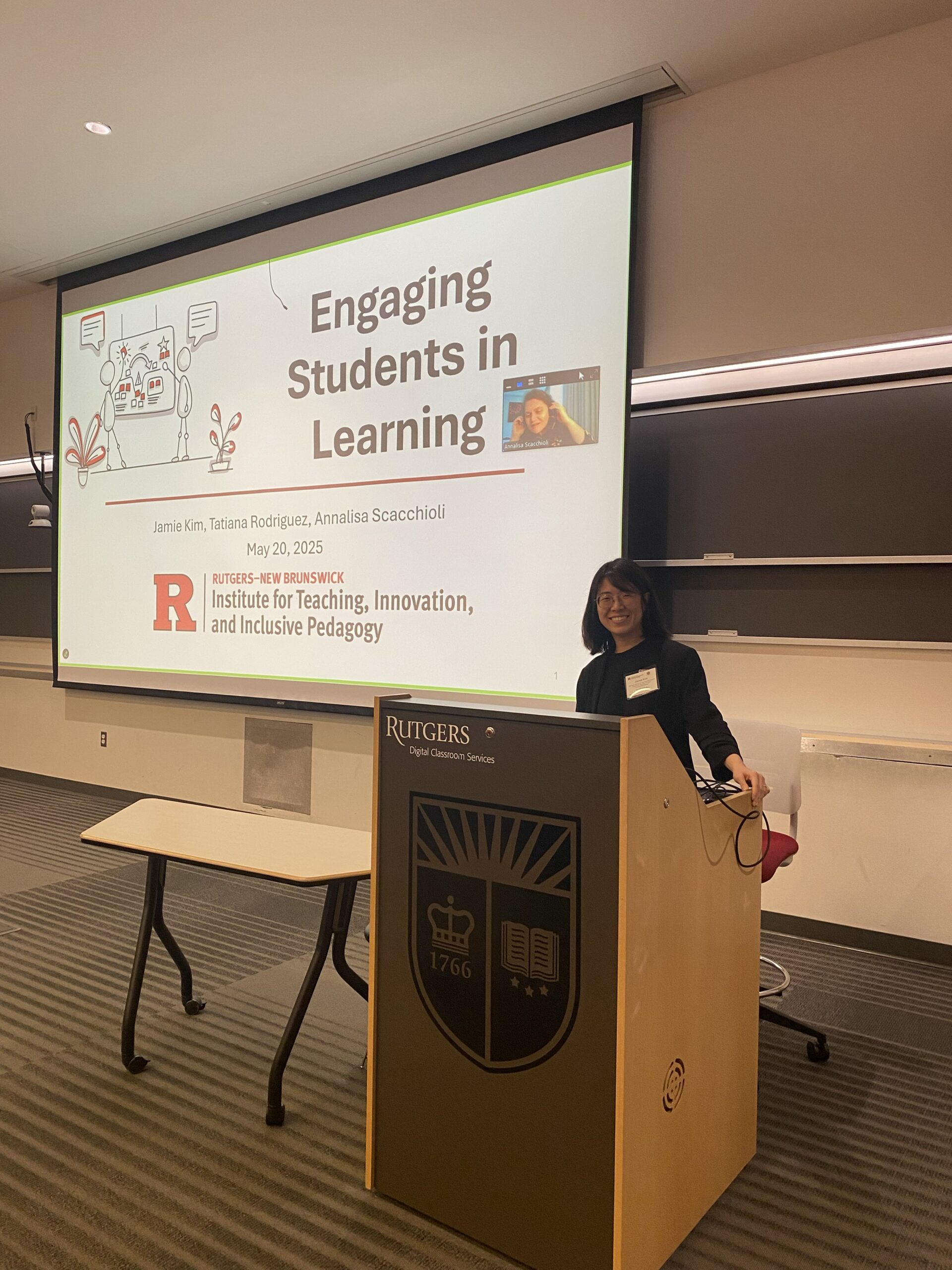
Jamie Kim, Assistant Director at TIIP, facilitates a session at the May 2025 Course Design Institute. 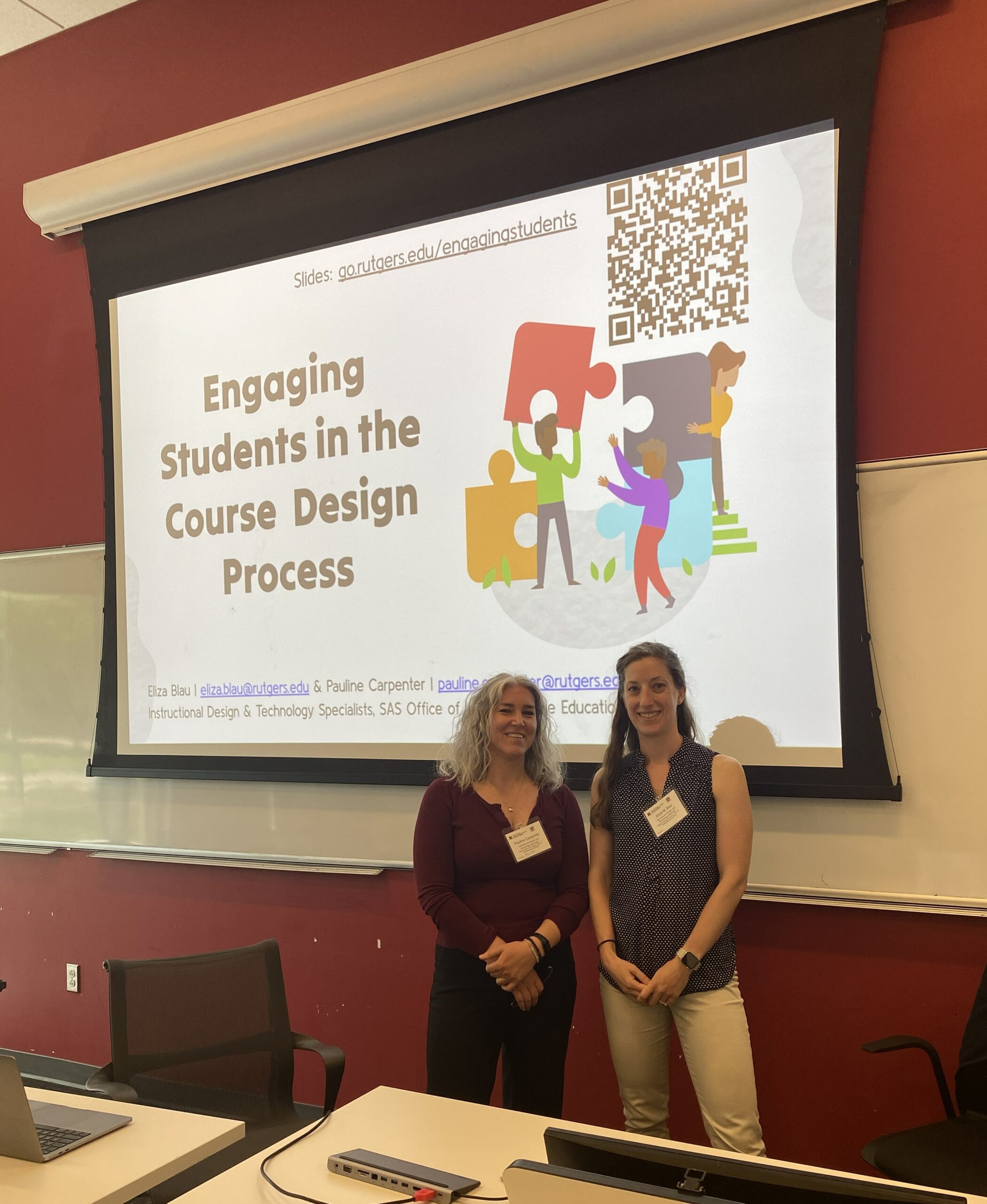
May 2025 Course Design Institute facilitators Pauline Carpenter and Eliza Blau (Instructional Design and Technology Specialists). 
May 2025 Course Design Institute small group session. 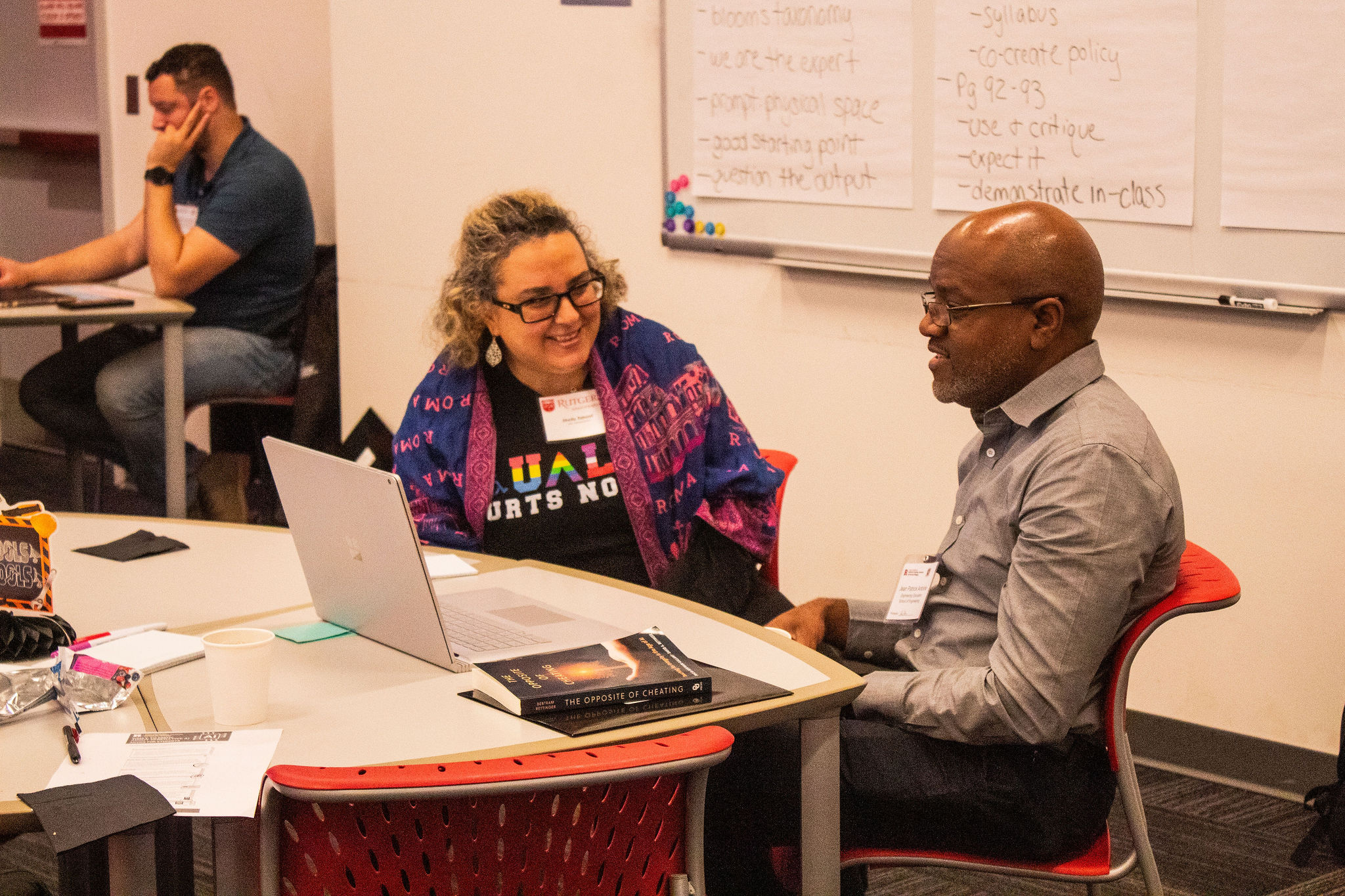
May 2025 Course Design Institute participants collaborating. 
May 2025 Course Design Institute participants 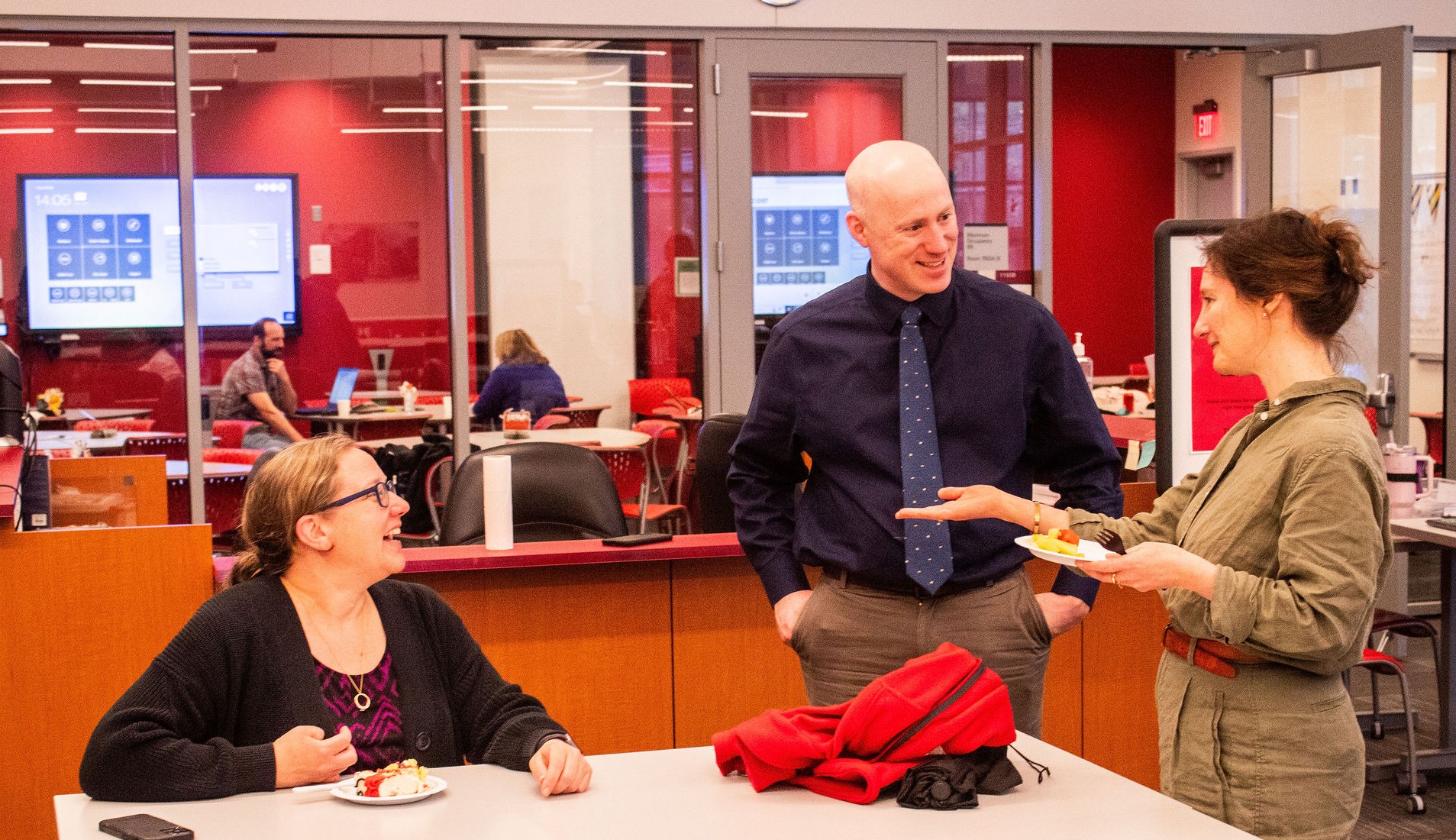
May 2025 Course Design Institute participants 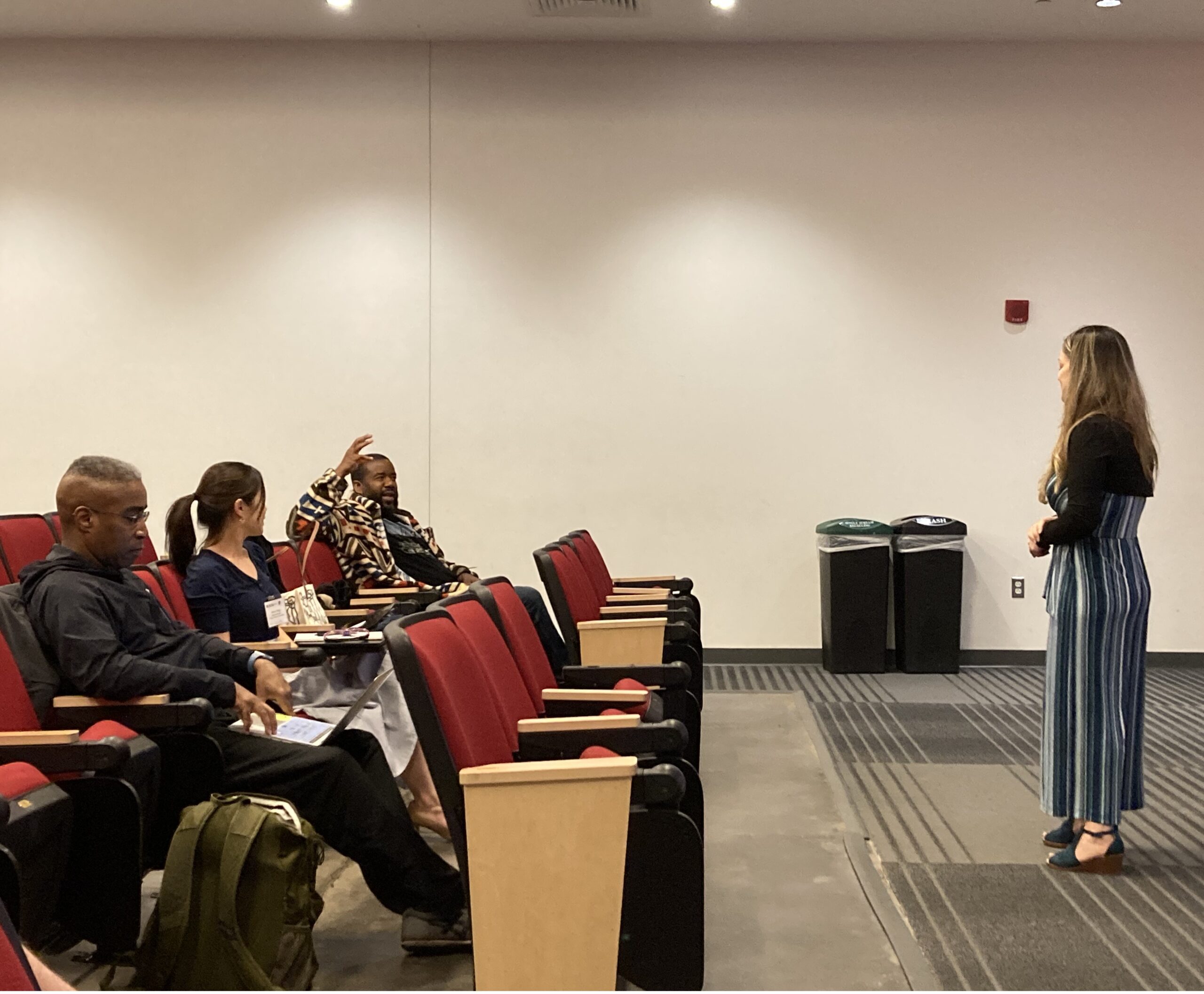
Tatiana Rodriguez (Professor, School of Communication and Information) leads a choice session at the May 2025 Course Design Institute. 
Dr. Tracie Marcella Addy awards a May 2025 Course Design Institute participant with a completion certificate. 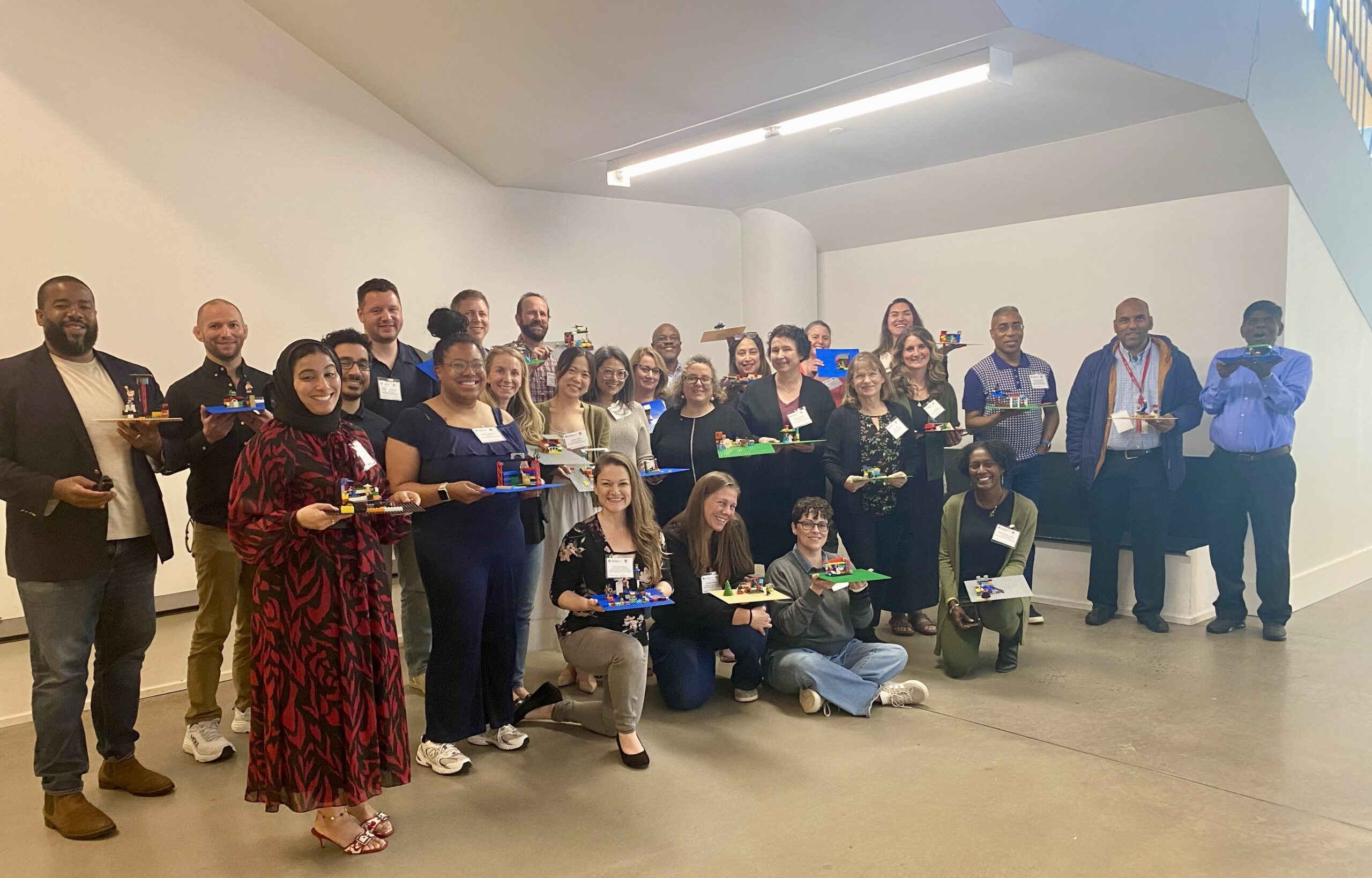
May 2025 Course Design Institute participants showcase LEGO models that embody their course design visions.
-
Using Learning Analytics: Continuous Assessment to Inform Your Course Design
Presenter: Christina Bifulco, Associate Director, Office of Teaching Evaluation & Assessment Research
 This session will start with an exploration of learning analytics, including its benefits and limitations. We will first focus on the available learning analytics from your past courses to help determine strengths and areas for improvement when designing or redesigning your course. We will then discuss how these different data points could be used during the fall semester as a part of a continuous assessment cycle. Participants will start to develop a plan for how to use learning analytics at various points in the semester to gauge student progress and the impact of the redesign.
 Connections with the Course Design Institute theme: This session will address how instructors can use GenAI to support their assessment and related feedback practices. For instance, GenAI can be utilized to create additional prompts/questions for formative assessments or used to soften the tone when sending “nudges” to students. Instructors can also employ GenAI to quickly recognize patterns in student assessments or feedback, allowing instructors to quickly adjust content to support students.
Incorporating Career Readiness into Course Planning
Presenters:
- Jennifer Broyles, Director, Career Readiness, Career Exploration and Success
- Lyn Baier, Associate Director, Internships & Professional Development, Career Exploration and Success
- Gina Tigri, Career Readiness Coordinator, Career Exploration and Success

NACE, the National Association for Colleges and Employers, has identified the eight most crucial skills for new professionals to demonstrate career readiness.
This session will introduce the NACE competencies, discuss why they are important to student career success, and highlight ways to incorporate competency development in courses. Join us for an interactive discussion on ways to enhance current curricula that support skill development opportunities for students.
Connections with the Course Design Institute theme: In addition, as AI usage becomes more prevalent on college campuses and in the job search, we will cover ethical ways that students can leverage AI as they prepare for their future careers.
Engaging Students in the Course Design Process
Presenters:
- Eliza M. Blau, Instructional Design and Technology Specialist, School of Arts and Sciences Office of Undergraduate Education
- Pauline Carpenter, Instructional Design and Technology Specialist, School of Arts and Sciences Office of Undergraduate Education
 In this workshop, you will consider ways to bring student voice into your course design process. We will explore the principles of design justice and equity-minded teaching, focusing on practical strategies like Classroom Assessment Techniques (CATs) and co-design. Learn how to effectively gather student feedback on their learning processes and partner with students to shape aspects of your course. By the end of this workshop, you will get started with an implementation plan that you can consider for your course design project.
 Connections with the Course Design Institute theme: We intend to discuss teaching and GenAI throughout the session. For example, we plan to discuss how you can co-create an AI policy for your course, ensuring all student voices are heard and students are more empowered to consider how AI use may help or hurt their learning process. Our session also presents various ways to enhance metacognition among learners, which we believe is an important skill in the face of AI. Metacognition exercises provide instructors with low-stakes ways to assess learning and promote a growth mindset, which can deter instances of academic integrity violations, and we will be intentional about drawing these connections.
Teaching Byrne First-Year Seminars
Panelists:
- John Evans, Associate Chair, Dance
- Nicole Houser, Assistant Dean for Curriculum Internationalization, Rutgers Global-Study Abroad
- Megan Lotts, Art Librarian
- Aaron Mazzeo, Associate Professor, Mechanical and Aerospace Engineering
- Christopher Manente, Executive Director, Rutgers Center for Adult Autism Services
Moderators:
- James Register, Sr. Program Administrator, Byrne Family First-Year Seminars

Byrne Seminars are designed to introduce first-year students to academic inquiry and faculty research. The program’s format gives faculty the opportunity to create a completely unique seminar that focuses on their area of expertise.
This session will feature a panel of faculty who have taught some of the program’s most popular seminars. The discussion will cover topics including how to develop a Byrne Seminar, strategies for engaging a first-year student audience, and how to integrate experiential learning into the one-credit course format.
Connections with the Course Design Institute theme: Panelists will be asked how they have navigated teaching and generative AI.
SoTL in an Hour: Turning your Course (Re)design into a Research Project
Presenters:
- Crystal Quillen, Assistant Director of Teaching and Learning Scholarship, Institute for Teaching, Innovation, and Inclusive Pedagogy
- Douglas Cantor, Teaching Instructor, Political Science
- Sheila Tabanli, Assistant Teaching Professor, Mathematics
T
 his workshop will explore how you can turn your course (re)design into a Scholarship of Teaching and Learning (SoTL) project. This session is designed to ignite your interest and highlight the meaningful impact SoTL can have on your students’ learning. With an emphasis on generative AI in research (e.g., brainstorming, SoTL methodologies, assessment), attendees will develop SoTL-related questions pertinent to their respective courses and initial ideas for how to implement a research study. Participants will also be invited to work with the Institute for Teaching, Innovation, & Inclusive Pedagogy for ongoing project support. Additionally, two Rutgers faculty members will share their experiences and insights on how they have conducted research in their own classrooms. We look forward to a collaborative exchange of ideas that will enhance our understanding of effective teaching practices.
Connections with the Course Design Institute theme: We will discuss generative AI use in research brainstorming and developing research questions. Rutgers faculty will discuss how they are researching GenAI use in students.
Engaging Students in Learning
Presenters:
- Jamie Kim, Assistant Director of Teaching Development, Institute for Teaching, Innovation, and Inclusive Pedagogy
- Tatiana Rodriguez, Lecturer, School of Communication and Information
- Annalisa Scacchioli, Associate Teaching Professor, Mechanical and Aerospace Engineering
Are you looking for ways to
 engage students in learning in your course? Are you wondering how you might use generative AI as a tool to engage students? Then join this session to learn about and discuss specific classroom examples shared by Rutgers faculty colleagues. Building on the discussion of designing significant learning experiences (e.g., Backward Design, Universal Design for Learning, etc.), this session will model some strategies and tools that can be leveraged to structure and design student engagement in class. You will also have the opportunity to identify strategies that are applicable to your own course contexts.
Connections with the Course Design Institute theme: This session will address how generative AI might impact student learning and how it might be used as a tool to engage students in learning. Specific examples (and demos as time allows) will be shared for further discussion.
-
“A wonderful experience! Thank you so much for providing this opportunity to meet new people and exposing me to strategies for improving my interaction with students.”
“This was really terrific. Especially the built-in time to complete work while the ideas were fresh.”
“OVERALL, excellent and I am appreciative of the opportunity & connections. WELL DONE TIIP Team!”
“I am so grateful to all of you, this was deeply transformative!”
—May 2025 Course Design Institute participants