Professional Development
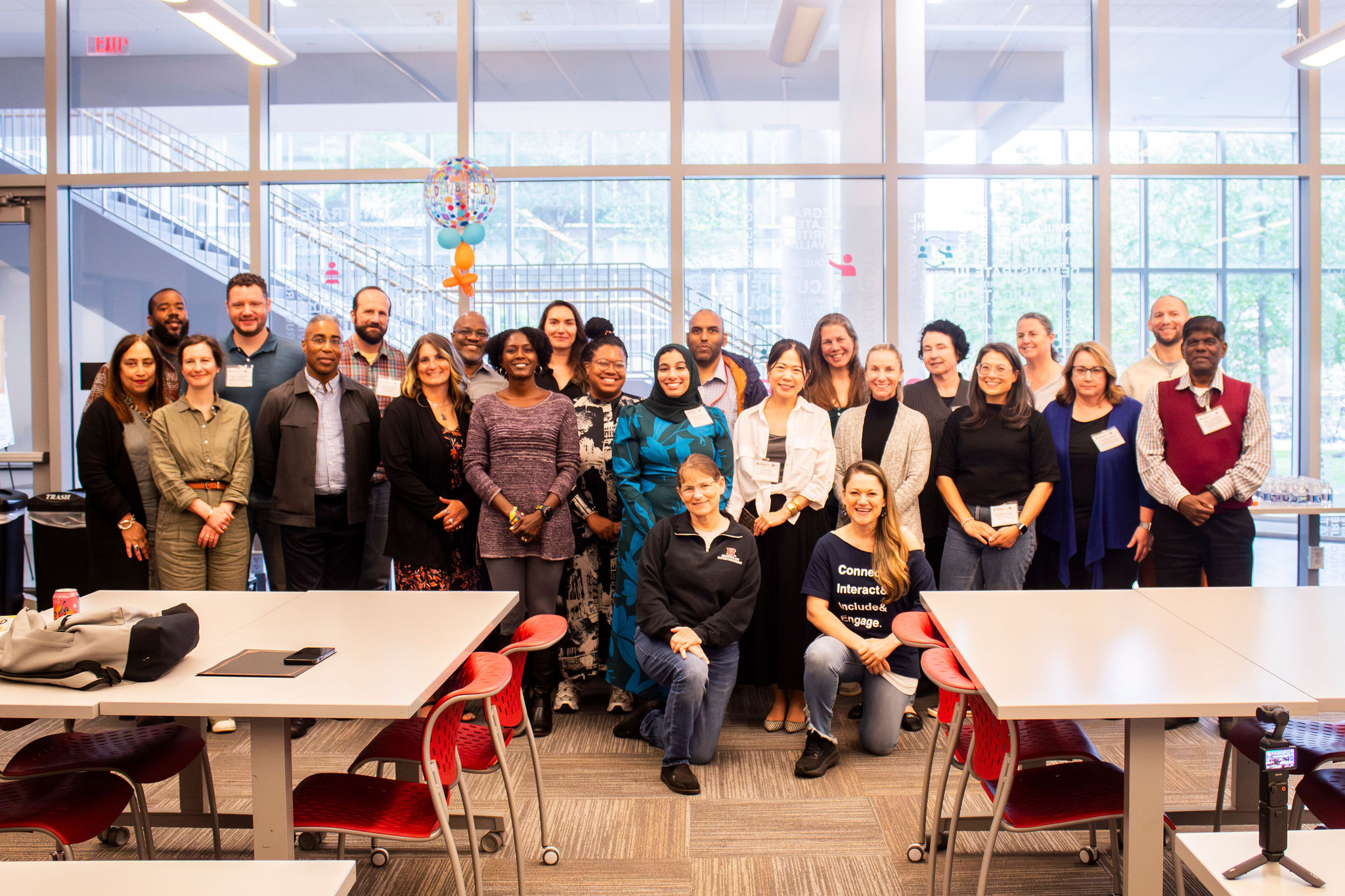
The heart of what we do is educational development, providing teaching support at the instructor, department or program, and institutional levels across the chancellor-led unit of Rutgers University—New Brunswick. We view ongoing teaching development as critical to a thriving academic institution that supports student success.
The primary audiences of our initiatives are faculty members, graduate students, and postdoctoral scholars. Instructional designers, educational developers, instructional technologists, and additional administrative staff members who support teaching also can find value in various initiatives.
- For Faculty: Faculty members across our chancellor-led unit vary in discipline and appointment type and include tenure-track faculty, teaching faculty, and lecturers. Each instructor plays a critical role in supporting teaching and learning and can find initiatives in which to engage through the Institute or reach out to TeachingInstitute@rutgers.edu to request a 1:1 consultation or a classroom observation.
- For Graduate Students & Postdoctoral Scholars: We recognize the many instructors in training teach students at Rutgers University-New Brunswick. We embrace both an intergenerational approach to educational development where graduate students and postdoctoral scholars can participate in some initiatives with faculty members, as well as career stage-specific approaches. Graduate students who teach or support teaching can ask questions or request consultations or classroom observation by reaching out to GradTeaching@rutgers.edu. Postdoctoral scholars can reach out to TeachingInstitute@rutgers.edu.
Sample Testimonials

“Having a student observe my class as a pedagogical partner was a uniquely rewarding experience…I felt like I had a co-thinker, someone genuinely invested in the learning process alongside me. The student brought fresh insights that I might have overlooked, especially in terms of how certain activities or discussions landed with their peers. They noticed subtle things about pacing, engagement, and inclusion that were incredibly helpful…What I appreciated most was the sense of mutual respect…a joint effort to make the learning environment more effective. It made me more intentional in my choices and reminded me of the power of student voice when it’s valued in meaningful, structured ways.”

“It has been a pleasure to observe classes as a pedagogical fellow. As a fellow, you develop a new perspective and way of thinking about the student experience within the classroom. This experience has opened a new method and developed a way of thinking that is embedded in active and effective teaching practices. It has allowed me to consider multiple perspectives and effective practices that ensure retention and engagement within the classroom.”

“Student partnership has profoundly impacted how I think about creating inclusive learning environments. Through collaboration with my student partner, I became more aware of the importance of using student names consistently, not just as a gesture of respect but as a way to foster belonging…Another key insight from this partnership was the power of affirmations. My student partner observed that students seemed more willing to contribute when their ideas were acknowledged positively. In response, I’ve started incorporating regular affirmations thanking students for their input…These small but intentional shifts help build a classroom culture where students feel seen, heard, and more confident to engage.”